

Alongside regular physical activity and avoiding smoking, eating well is one of the most effective ways to care for your heart. The foods you choose can influence cholesterol, blood pressure, inflammation, and other key risk factors for heart disease.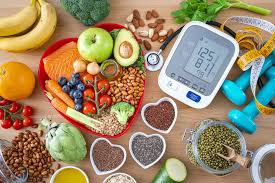
Diets that are high in fiber, antioxidants, and healthy fats support cardiovascular health, while those loaded with added sugars and processed meats can raise the risk of heart problems.
Although many eating plans claim to be heart-healthy, the best ones are backed by scientific evidence and are realistic to follow long term.
Here are the five most effective diets for heart health:
1. The Mediterranean Diet
The Mediterranean diet is inspired by the traditional eating habits of people in Greece and Southern Italy during the 1960s.
It focuses on whole, minimally processed foods like fruits, vegetables, whole grains, legumes, nuts, seeds, fish, and extra virgin olive oil. Moderate amounts of poultry, eggs, low fat dairy, and red wine are also included.
This diet limits added sugars, refined carbs, processed snacks, and red or processed meats.
Its heart-healthy reputation comes mainly from its focus on plant-based foods and healthy fats. For example, extra virgin olive oil is rich in monounsaturated fats and powerful antioxidants that help reduce inflammation.
The Mediterranean approach also encourages physical activity and minimal sugar intake — both key factors for maintaining a healthy heart.
2. The DASH Diet
The Dietary Approaches to Stop Hypertension (DASH) diet was designed to prevent and control high blood pressure — a major risk factor for heart disease.
Rather than providing a strict food list, DASH outlines servings from different food groups depending on calorie needs. It emphasizes fruits, vegetables, whole grains, lean proteins, and low fat dairy while cutting back on red meat, refined grains, and sugary foods.
It also recommends limiting sodium intake to 2,300 mg per day (about 1 teaspoon), or ideally 1,500 mg for those with high blood pressure.
Research shows that reducing sodium while following the DASH diet can significantly lower blood pressure in people with hypertension. Its focus on fiber, lean protein, and low saturated fat further supports heart health.
3. Vegan and Vegetarian Diets
Vegan and vegetarian diets both eliminate meat, including poultry and fish. While vegetarians may still include eggs and dairy, vegans avoid all animal-derived ingredients such as dairy, eggs, honey, and gelatin.
These diets center around plant-based foods like fruits, vegetables, legumes, soy products, whole grains, nuts, seeds, and healthy plant oils.
They are naturally high in fiber, antioxidants, and anti-inflammatory compounds, all of which support cardiovascular health.
However, diet quality is important — plant-based eating patterns that rely heavily on refined grains, sugary snacks, or processed meat alternatives don’t offer the same heart benefits as those centered on whole, nutrient-dense foods.
4. The Flexitarian Diet
Created by dietitian Dawn Jackson Blatner, the Flexitarian Diet is a mostly plant-based approach that still allows moderate amounts of meat, fish, dairy, and other animal products.
It encourages getting most of your protein from plants while allowing flexibility to include animal foods occasionally.
The diet focuses on whole, unprocessed foods and limits refined grains, added sugars, processed meats, and highly processed items.
Although less restrictive than vegan or vegetarian diets, research consistently links plant-forward eating patterns to a lower risk of heart disease. The Flexitarian Diet offers many of the same heart health benefits in a more adaptable way.
5. The TLC Diet
The Therapeutic Lifestyle Changes (TLC) diet, developed by the National Institutes of Health (NIH), was created to reduce cholesterol and lower the risk of heart disease and stroke.
It combines dietary and lifestyle strategies aimed at improving cholesterol levels and maintaining a healthy weight. Key guidelines include:
-
Less than 7% of total daily calories from saturated fat
-
Fewer than 200 mg of dietary cholesterol per day
-
Less than 2,300 mg of sodium daily
-
25–35% of total calories from fat (including saturated fat)
-
2 grams of plant stanols or sterols per day
-
10–25 grams of soluble fiber per day
-
Caloric intake that supports a healthy weight
The TLC plan emphasizes foods high in soluble fiber — like oats, beans, lentils, fruits, vegetables, nuts, and seeds — which help lower cholesterol.
It also encourages eating foods rich in plant stanols and sterols, found naturally in nuts, seeds, fruits, vegetables, and whole grains, to help block cholesterol absorption.
The plan also promotes at least 30 minutes of moderate exercise daily to further protect heart health.
The Takeaway
Each of these diets has been shown to improve heart health.
Although their details differ, they share common themes: focusing on whole, unprocessed foods while cutting back on refined sugars, saturated fats, and heavily processed products.
A nutritious diet works best alongside regular exercise, stress management, and avoiding smoking — the complete recipe for lifelong heart health.