

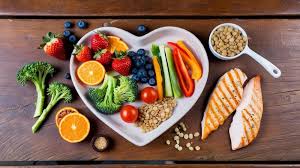
A recent study suggests that when it comes to heart health, the quality of the food we eat may have a much greater impact than simply reducing carbohydrates or fats. The research emphasizes that a diet focused on whole, minimally processed, and plant-based foods, while limiting refined grains, added sugars, and animal products, can significantly lower the risk of coronary heart disease.
The findings were presented at the American Society for Nutrition’s annual meeting, NUTRITION 2025, held in Orlando, Florida, from May 31 to June 3. Researchers are now calling for more personalized and nuanced approaches to dietary guidelines aimed at improving cardiovascular health.
Low-Carb and Low-Fat Diets Fall Short for Heart Health
For years, low-carb and low-fat diets have been touted as ways to improve health, manage weight, and reduce the risk of chronic diseases like heart disease. However, there has been growing debate within the scientific community about how effective these diets are, particularly when considering the varying quality of foods consumed.
A large-scale study conducted by researchers from Harvard T.H. Chan School of Public Health sought to answer this question. Their conclusion? Food quality is just as crucial, if not more, than simply restricting carbs or fats.
The study tracked the dietary habits and heart disease outcomes of nearly 200,000 men and women across three major U.S. cohort studies: the Health Professionals Follow-Up Study, the Nurses’ Health Study, and the Nurses’ Health Study II. Over 25 years, the researchers followed participants’ food consumption and related heart disease events, using detailed food frequency questionnaires to assign scores based on the healthiness of the foods they consumed.
Quality Over Quantity: The Key to Heart Health
The study found that low-carb and low-fat diets that focused on high-quality foods—such as whole grains, fruits, vegetables, nuts, and legumes—were associated with a 15% lower risk of developing coronary heart disease. However, the risk of heart disease was higher in individuals following low-carb or low-fat diets that were rich in unhealthy foods like refined grains, sugary snacks, processed meats, and animal fats.
Lead study author Zhiyuan Wu, PhD, a postdoctoral research fellow at Harvard’s Department of Nutrition, explained that while low-carb and low-fat diets might be beneficial, their effectiveness is contingent upon the source and quality of the foods consumed. “Healthy versions of these diets—those rich in plant-based foods and whole grains—were linked to better heart health outcomes,” Wu said. “In contrast, unhealthy versions, which emphasize processed and animal-based foods, were associated with an increased risk of heart disease.”
The study also measured blood metabolites—a range of biological markers related to metabolism—across a subset of over 10,000 participants. This helped the researchers understand how food quality influences metabolic regulation and lipid profiles, which are important indicators of cardiovascular health.
Interestingly, the researchers found that “animal-based” low-carb diets, which are high in saturated fats and animal proteins, were linked to a higher risk of heart disease, while “vegetable-based” low-carb diets had more favorable results. Similarly, low-fat diets rich in refined carbs and added sugars were linked to a higher risk, whereas those focused on whole foods showed better outcomes.
Food Quality Matters More Than Macronutrient Counts
Yaa Boakye, a registered dietitian nutritionist and nutrition consultant, emphasized the importance of food quality in heart health. “Food quality is like a grading rubric for your body,” Boakye said. “It’s not enough to simply choose ‘low carb’ or ‘low fat’ foods; you need to look at what’s actually in the food—fiber, added sugars, sodium, micronutrients, and anti-inflammatory or pro-inflammatory compounds.”
She further explained that focusing solely on macronutrient categories, like carbs, fats, and proteins, can overlook important nuances. “A carbohydrate could be a refined white roll or a fiber-rich lentil; a fat could be a processed trans fat or cold-pressed olive oil,” Boakye noted. “Food quality helps us zoom in on these differences.”
Boakye also pointed out that blindly following a low-fat or low-carb diet could lead to deficiencies in essential nutrients, which can affect heart health. “High sodium levels, added sugars, lack of fiber, and insufficient antioxidants are all red flags,” she warned. “You could be meeting your macro targets but still consuming a diet that contributes to hypertension, poor cholesterol, and systemic inflammation.”
Tips for a Heart-Healthy Diet
Registered dietitian Ayanna Smart recommends a balanced diet with high-quality foods to help maintain steady blood sugar, optimal blood pressure, and healthy cholesterol levels—all factors that support a healthy heart. Smart suggests using the “plate model” as a simple guide to creating heart-healthy meals: fill half of your plate with vegetables and fruits, one-quarter with lean proteins, and the remaining quarter with whole grains.
“Making this your plate automatically reduces the amount of carbohydrates and fats you consume by removing excess fats from higher-fat foods,” Smart explained. “Fruits and vegetables are rich in fiber, which helps you feel fuller longer and provides essential vitamins, minerals, and antioxidants to protect your heart.”
Smart also highlighted the importance of including lean proteins—such as beans, legumes, and low-fat meat—and healthy fats from sources like nuts and olive oil. “Nuts provide healthy polyunsaturated and monounsaturated fats that help keep ‘bad’ LDL cholesterol in check,” she said.
Finally, Smart emphasized that reducing the intake of highly processed foods is essential for maintaining cardiovascular health. “Minimizing processed foods helps control sodium intake, reduces the risk of atherosclerosis (hardening of the arteries), and prevents excess weight gain—all factors that contribute to a healthy heart.”
Conclusion
The research underscores that when it comes to heart health, the quality of the food you eat may be more important than simply cutting carbs or fats. Focusing on whole, minimally processed, plant-based foods while limiting unhealthy ingredients like refined sugars, processed meats, and saturated fats is a more effective way to reduce heart disease risk and improve overall cardiovascular health.
Great article!
This really changed my perspective! I’ve been obsessing over cutting carbs, but now I see that eating whole, unprocessed foods is far more important for heart health.
Food quality should always come first. This study backs up what many of us have been saying: it’s about the nutrition, not just the calories or macronutrients.