

Creating nutritious Caribbean meals means combining foods from the region’s main groups — staples, legumes, animal foods, and vegetables — to make dishes that are both healthy and satisfying.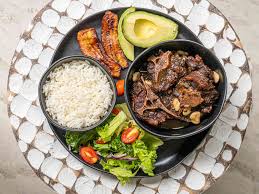
Caribbean cuisine is a reflection of the region’s rich cultural heritage. Traditional dishes are often highlighted during religious and cultural celebrations, connecting families, communities, and generations.
In Trinidad and Tobago, for example, holidays like Eid, Divali, and Christmas feature foods that honor cultural traditions while bringing people together.
Despite this richness, Caribbean populations and their diaspora are facing rising rates of diet-related chronic illnesses, including diabetes, heart disease, and anemia (1Trusted Source, 2Trusted Source).
Studies show that nutrition advice tailored to Caribbean culture encourages healthier eating, demonstrating that traditional foods can play a crucial role in maintaining health (3Trusted Source).
This guide introduces the multi-mix principle, a practical approach to building balanced Caribbean meals.
What Is the Multi-Mix Principle?
Although Caribbean governments provide dietary guidelines, global models such as the Mediterranean diet or the USDA’s MyPlate often dominate nutrition discussions (4).
This can unintentionally suggest that Caribbean foods are unhealthy, despite their nutrient richness and diversity.
The Caribbean Food and Nutrition Institute (CFNI) developed the Six Food Groups and the multi-mix principle to promote healthy eating while reflecting local culture. While these standards haven’t been updated in over 20 years, they remain a useful guide (5).
The six Caribbean food groups are: staples, legumes, animal foods, vegetables, fruits, and fats & oils (5).
-
Staples include rice, wheat, corn, oats, starchy fruits, and ground provisions like yam, cassava, and taro.
-
Animal foods include fish, poultry, red meat, eggs, and dairy products.
The multi-mix principle focuses on four core groups — staples, legumes, animal foods, and vegetables — combining them in two-, three-, or four-part meals to provide balanced nutrition.
Two-Mix Meals
A two-mix meal is simple, affordable, and easy to prepare. It combines:
-
A cereal grain + legumes or animal foods, or
-
Ground provisions + animal foods
Combining rice with legumes like beans or peas creates a complete protein, providing all nine essential amino acids for good health (6Trusted Source, 7Trusted Source).
Legumes are also rich in fiber and antioxidants, which help regulate blood sugar, cholesterol, and blood pressure (8Trusted Source, 9Trusted Source, 10Trusted Source).
Ground provisions such as cassava, yam, and dasheen are excellent sources of complex carbohydrates and fiber but do not form complete proteins when paired with legumes. They are best enjoyed with meat or fish (11Trusted Source, 12Trusted Source, 13Trusted Source).
Examples:
-
Rice with stewed lentils
-
Dasheen with curried crab
-
Bread with peanut butter
Three-Mix Meals
A three-mix meal builds on the two-mix by adding non-starchy vegetables, enhancing fiber, vitamins, and minerals.
Common three-mix combinations include:
-
Cereal grain + legumes or animal foods + vegetables
-
Ground provisions + animal foods + vegetables
-
Grain or tuber + legumes + animal foods
Non-starchy vegetables — like spinach, cabbage, tomatoes, zucchini, and asparagus — are low in carbohydrates but packed with fiber, vitamins (C, calcium, folate, iron), and other nutrients that support blood sugar management, lower cholesterol, and may reduce cancer risk (14Trusted Source, 15Trusted Source).
Examples:
-
Rice, dhal, and sautéed spinach
-
Sada roti with saltfish buljol and tomato choka
-
Stewed oxtail with pigeon peas and rice
Four-Mix Meals
A four-mix meal includes all four foundational groups — staples, legumes, animal foods, and vegetables — offering a fully balanced plate.
These meals are common at Sunday lunches or in one-pot dishes like pelau, which combines caramelized chicken, rice, pigeon peas, and vegetables like carrots and peppers. Often, these dishes are served with salad or coleslaw.
Other examples include cornmeal dumplings with stewed lentils, steamed fish, and fresh salad.
Callaloo, made with taro leaves, pumpkin, okra, coconut milk, herbs, and optional meats like crab or smoked turkey, is another example of a nutrient-rich four-mix meal.
Fruits and Fats
Although fruits and fats are not part of the core multi-mix, they remain important for overall health. Aim for at least two servings of fruit and three servings of fats per day (5).
-
Fats and oils: coconut oil, coconut milk, peanut butter, avocado, and other cooking oils support vitamin absorption and overall well-being (16Trusted Source, 17Trusted Source, 18Trusted Source).
-
Fruits: local options like mango, guava, pommecythere, carambola, and silk fig are nutritious. The West Indian cherry (acerola) contains 22 times more vitamin C per cup than kiwi (20Trusted Source, 21Trusted Source).
Fruits can be enjoyed fresh, in smoothies, or as chow, a spiced preparation of half-ripe fruit.
Key Takeaways
Diet-related chronic illnesses are on the rise in the Caribbean, but traditional foods can be both culturally meaningful and nutritionally valuable.
The multi-mix principle provides a simple framework for building balanced meals using staples, legumes, animal foods, and vegetables. Incorporating fruits and fats completes a healthy diet, allowing Caribbean people to enjoy traditional foods while supporting long-term health.