

Your diet has a powerful effect on your heart. Whether your doctor recently warned you about your heart health due to family history or lifestyle, or you’ve gone through a serious heart event like a heart attack, the way you eat can help you take control of your health.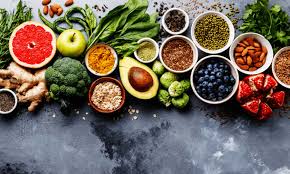
Heart disease remains the leading cause of death in the United States, according to the Centers for Disease Control and Prevention (CDC). Fortunately, you can take meaningful steps to lower your risk—starting with your food choices.
Changing what you eat doesn’t have to be overwhelming. Many people fear that a heart-healthy diet means giving up their favorite meals, but that’s not true. Even small changes can lead to big improvements in your energy, well-being, and heart health.
What Should You Eat for a Healthier Heart?
A heart-smart diet includes plenty of nutritious, whole foods. According to the American Heart Association (AHA), your meals should regularly include:
-
Fresh fruits and vegetables
-
Whole grains
-
Legumes (like beans and lentils)
-
Low-fat or non-fat dairy products
-
Lean poultry
-
Fish (especially those rich in omega-3s)
-
Nuts and seeds
To protect your heart, limit foods high in:
-
Saturated fat
-
Added sugar
-
Salt
-
Red and processed meats
General Tips for Heart-Healthy Eating:
-
Choose lean proteins and avoid frying or adding unhealthy fats
-
Eat fatty fish (like salmon or sardines) at least twice a week for heart-protective omega-3 fatty acids
-
Cut back on sugary foods and drinks
-
Use herbs and spices instead of salt
-
Practice portion control
-
Fill half your plate with fruits and vegetables
-
If you drink alcohol, do so in moderation
Let’s look closer at specific ingredients that impact heart health.
Alcohol and Heart Health
Drinking alcohol affects heart health in both positive and negative ways. The AHA recommends moderation:
-
Men: No more than 2 drinks per day
-
Women: No more than 1 drink per day
One drink is equal to:
-
12 oz of beer
-
4 oz of wine
-
1.5 oz of spirits (80-proof)
Heavy or long-term drinking is linked to heart problems, obesity, liver damage, and an increased risk of sudden cardiac death. If you’re unsure how alcohol affects your risk, speak with your healthcare provider.
Sugar’s Impact on the Heart
Too much added sugar is linked to weight gain, high blood pressure, and increased risk of heart disease.
The AHA suggests limiting added sugar intake to:
-
Women: 100 calories per day (about 6 teaspoons or 24 grams)
-
Men: 150 calories per day (about 9 teaspoons or 36 grams)
Common foods high in added sugars:
-
Soft drinks
-
Candy
-
Baked goods like cakes and cookies
-
Flavored yogurt
-
Sweetened cereals and oatmeal
-
Ice cream and other frozen desserts
-
Fruit-flavored drinks
Sodium (Salt) and Blood Pressure
Too much sodium can raise your blood pressure, putting extra strain on your heart. Most Americans consume around 3,500 mg of sodium daily—well above the recommended limit.
-
Recommended maximum: 2,300 mg per day
-
Ideal limit for most adults: 1,500 mg per day
To lower your sodium intake:
-
Avoid processed and packaged foods
-
Check labels for “low sodium” or “no salt added” options
-
Use herbs and spices instead of salt
-
Cook more meals at home where you control the ingredients
Caffeine and Heart Health
Caffeine is a stimulant found in:
-
Coffee
-
Tea
-
Chocolate
-
Soft drinks and energy drinks
Research hasn’t shown a strong link between moderate caffeine intake and heart disease. However, large amounts of unfiltered coffee might raise cholesterol slightly. Most people can enjoy caffeine in moderation without concern, but it’s always good to monitor your body’s response.
Calcium and Heart Function
Calcium is essential for healthy bones, but it also plays a role in heart health—especially when combined with a diet high in fruits and vegetables. While the direct effect of calcium on heart disease isn’t fully clear, it can help manage blood pressure.
Daily calcium recommendations:
-
Women: 1,000–2,000 mg
-
Men: 1,000–2,500 mg (depending on age)
Dairy is a good source of calcium, and supplements may be recommended—especially for older adults. Always talk to your doctor before starting any new supplement.
Other heart-healthy nutrients to include:
-
Potassium – helps regulate blood pressure
-
Magnesium – supports heart rhythm and muscle function
-
Vitamin D – may reduce inflammation and support overall health
-
Vitamin E – an antioxidant that helps protect cells
-
Omega-3 fatty acids – reduce inflammation and improve cholesterol levels
Final Thoughts: Small Steps, Big Results
Improving your diet is one of the most effective ways to care for your heart. Avoiding excessive sugar, salt, caffeine, and alcohol, while adding more whole foods rich in nutrients, can lead to real and lasting benefits.
Remember, you don’t have to do it all at once. Start by making one or two changes, like drinking less soda or cooking more meals at home. Over time, these choices add up to a healthier heart and a better quality of life.
Your heart—and your future—will thank you.