

Not sure if macro tracking is the right fit for you? This guide outlines how to do it in a relaxed, manageable way that supports consistency—without creating stress or burnout.
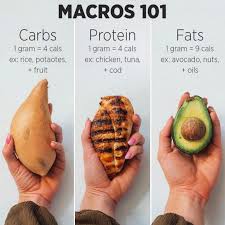
If you’re trying to decide whether tracking macros is worth the effort, you’re not alone. On the upside, it can bring structure, insight, and better results for goals like fat loss or muscle gain. But on the downside, it can seem time-consuming and rigid—especially if taken to the extreme.
This guide is here to help you enjoy the benefits of macro tracking in a realistic way. Whether you’re just beginning or want to simplify your approach, these methods will help you find a healthy balance.
Start With One Macro at a Time
If logging every macro from the start feels like too much, simplify. Begin by tracking just one macro—typically protein, since it’s essential for satiety and muscle recovery.
Spend a week or two focusing only on your protein intake. Once you feel confident, you can start paying attention to carbs and fats too.
This step-by-step method helps you build consistency without overwhelm.
Use an App to Simplify the Process
Logging everything manually can become exhausting fast. Instead, opt for a nutrition tracking app like MyFitnessPal or MyNetDiary.
According to a 2021 study, users found these apps helpful in improving awareness around food habits and supporting weight goals.
Choose an app that offers helpful tools like barcode scanning, saved meals, and custom macro targets by meal. These features streamline the process and reduce the mental effort required.
Repeat the Meals That Work
One of the best time-savers is repetition. If you find a meal that tastes great and fits your macros—save it and repeat it.
This works especially well for breakfast, lunch, and snacks. There’s no need to come up with new meals every single day.
Create Go-To Meal Structures
Rather than recalculating every time you eat, create simple meal formulas like:
-
Protein + veggie + carb (e.g., grilled chicken, green beans, sweet potato)
-
Protein smoothie (e.g., protein powder, banana, almond butter, oat milk)
-
Salad with protein, fiber, and fat (e.g., tuna, mixed greens, avocado, olive oil)
These templates take the guesswork out of meal building and make macro-friendly eating more automatic.
Plan Meals in Advance
Even planning your meals one day ahead can save time and mental energy. Take 10 minutes each evening to log the next day’s meals into your app.
This allows you to make food decisions calmly—rather than when you’re hungry, tired, or rushed.
You don’t have to prep everything in advance, but just having a plan can help reduce decision fatigue.
Aim for Progress, Not Perfection
You don’t need to hit your exact macros every day to see results. Allow yourself a 5–10 gram range for each macro, and focus on being consistent over time.
If you go to a party or eat out where tracking isn’t exact, make your best guess and move on. What matters most is your overall pattern, not individual meals.
Weigh Foods Temporarily to Build Awareness
While using a food scale can be helpful, it’s not something you need forever. Spend a few days measuring common foods like oatmeal, meat, or nut butter to get familiar with portion sizes.
Once you have a good sense of how much you’re eating, you can start estimating and just check in occasionally.
This approach builds food knowledge while keeping your routine flexible.
Focus on Main Meals First
If logging your full day feels like too much, try tracking just your core meals—breakfast, lunch, and dinner.
This alone can help you hit key targets, especially protein, and still gives you structure without micromanaging every snack or bite.
Take Intentional Breaks From Tracking
You don’t need to log every single day. Try tracking for five days, then taking two off. Use these days to tune into your hunger, practice intuitive eating, and lean on habits you’ve built.
Scheduled breaks make the habit more sustainable and prevent burnout.
Final Thoughts
Tracking macros can offer clarity, boost awareness, and support your health and fitness goals. But it doesn’t have to feel like a full-time job.
The key is approaching it with a flexible mindset. You can start gradually, use tools that simplify the process, and allow room for imperfect days.
So if you’re on the fence about macro tracking, know that it can be empowering without being controlling. With the right approach, it becomes a tool—not a burden—to help you create lasting, healthy habits.