

A low-stress guide to getting results without food tracking burnout
If you’re thinking about tracking your macros but feel unsure whether it’s right for you, you’re not alone. Macro tracking can bring clarity and control, especially if you have specific fitness or body composition goals. But if approached the wrong way, it can become time-consuming and overwhelming.
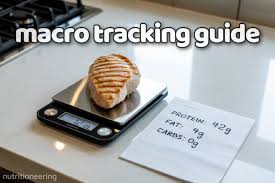
This guide will show you how to track macros in a simple, flexible way—one that helps you stay consistent without letting it consume your day.
Begin With One Macro at a Time
Trying to monitor protein, carbs, and fats all at once can feel like a lot—so don’t. Start with just one.
Protein is a great starting point because it helps keep you full and supports muscle recovery. Focus on hitting your protein goal consistently for a week or two. Once you’re comfortable, you can gradually add in carb and fat tracking.
This step-by-step method builds momentum without overwhelming you early on.
Use a Macro App to Simplify the Process
Tracking by hand gets old fast. Use a macro-friendly app like MyFitnessPal or MyNetDiary to do the hard work for you.
A 2021 study showed that people found food tracking apps helpful for increasing self-awareness around eating habits and supporting weight-related goals.
Look for features like barcode scanning, custom meal goals, and saved recipes. These tools reduce the mental load and help you stay focused on your daily targets with less stress.
Repeat Meals That Work
Once you’ve tracked a meal that fits your goals and tastes great, save it and reuse it.
This is especially helpful for breakfast, lunch, and snacks—meals where variety isn’t as important. Not every meal needs to be a culinary experiment. Repetition saves time, reduces guesswork, and keeps you consistent.
Create Easy Meal Frameworks
Rather than calculating exact macros for each bite, build a few go-to meal templates like:
-
Lean protein + veggie + carb (e.g., salmon, green beans, sweet potato)
-
Smoothie combo (protein powder, frozen berries, chia seeds, almond milk)
-
Salad with protein, fat, and fiber
Having templates makes building meals quicker, easier, and still aligned with your macro goals.
Plan Your Meals the Day Before
Taking just 10 minutes each evening to plan out tomorrow’s meals can help you stay on track. Plug them into your app while you’re relaxed—rather than when you’re hungry and short on time.
You don’t need to meal prep every dish. Just having a plan reduces decision fatigue and improves follow-through.
Prioritize Progress Over Perfection
You don’t have to hit your macro targets to the gram every day. Being within 5–10 grams of your goal is enough. The goal is long-term consistency, not perfect daily tracking.
If you’re dining out or at a social event, do your best to estimate and move on. One off day won’t ruin your progress—patterns matter more than any single meal.
Weigh to Learn, Then Estimate
Using a kitchen scale is helpful at first—but you don’t need to do it forever.
Weigh your most common foods (like rice, meat, nut butter) for a week or so to get familiar with true portion sizes. Then, move into estimating, only using the scale now and then for recalibration.
This helps develop food awareness without making eating feel like a math class.
Track Meals, Not Every Bite
If full-day tracking feels like too much, start by logging your main meals—breakfast, lunch, and dinner. Let your snacks be more flexible, as long as they’re generally nutritious.
Often, hitting your protein goals through your main meals alone is enough to set up a successful day.
Build in Breaks From Tracking
You don’t have to track 7 days a week. Try logging 5 days on and taking 2 days off to practice intuitive eating and apply your habits without needing numbers.
These planned breaks can make tracking feel more sustainable and prevent burnout.
Final Thoughts
Tracking macros can offer structure, increase food awareness, and help you reach health and fitness goals. But it doesn’t need to feel like a second job.
By starting small, using the right tools, and allowing for flexibility, you can track macros in a way that supports—not dominates—your lifestyle.
Remember, macro tracking is a tool to build habits. The ultimate goal is lasting, balanced nutrition—not just hitting numbers on a screen.