

Hop on the plant-powered bandwagon — it’s picking up speed and showing no signs of slowing down!
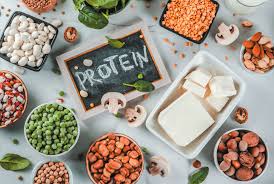
The International Food Information Council’s 2022 Food and Health Survey revealed that 12% of Americans now follow a plant-based eating style, while 31% have been increasing their intake of whole-plant foods.
Whether you’re reaching for a protein-packed smoothie, a veggie burger, or a bowl of quinoa and beans, the options for plant-based protein have exploded. Traditional staples like tofu, lentils, and chickpeas are as reliable as ever — and now joined by innovative new powders, milks, and meat alternatives.
Curious about how plants can fuel your fitness, support weight loss, and boost long-term wellness?
Here’s your updated guide to how plant-based proteins stack up, when to use them, and how they benefit your body — and the environment.
Quick Comparison: Popular Plant-Based Protein Sources
| Food | Serving | Calories | Protein | Fat | Carbs | Fiber | Sodium |
|---|---|---|---|---|---|---|---|
| Canned black beans (no salt) | ½ cup | 114 | 7.5 g | 0.5 g | 20 g | 15 g | 0.5 mg |
| Extra-firm tofu | 3.5 oz | 94 | 10.6 g | 4.7 g | 3.5 g | 1.2 g | 18 mg |
| Low-sodium canned chickpeas | ½ cup | 105 | 6 g | 2.3 g | 16.2 g | 5.3 g | 158 mg |
| Edamame | ½ cup | 94 | 9.2 g | 4 g | 7 g | 4 g | 4 mg |
| Unsalted peanut butter | 2 Tbsp | 191 | 7.1 g | 16.4 g | 7.1 g | 1.4 g | 5 mg |
| Cooked quinoa | 1 cup | 222 | 8.1 g | 3.5 g | 39.4 g | 5.1 g | 13 mg |
| Oats | ½ cup | 153 | 5.3 g | 2.5 g | 25 g | 4 g | 3 mg |
| Lentils | ½ cup | 115 | 9 g | 0.4 g | 20 g | 8 g | 2 mg |
| Seitan (vital wheat gluten) | ¼ cup | 104 | 21 g | 0.5 g | 4 g | 0.2 g | 10 mg |
| Pea protein powder | 1 scoop (22 g) | 100 | 19 g | 2 g | 1 g | 0 g | 260 mg |
Understanding the Nutritional Impact of Plant-Based Proteins
If you’re deciding between animal and plant proteins, you’ll want to weigh not only nutrition, but also things like digestibility, sustainability, and taste.
Can Plants Compete with Animal Proteins?
A major concern for plant-based eaters has been getting “complete” proteins — those that contain all nine essential amino acids. While it’s true that many plant proteins are not complete on their own, the need to perfectly pair foods like rice and beans at every meal has been largely debunked.
According to a 2019 study, those on vegan and vegetarian diets are generally consuming plenty of both total protein and essential amino acids. Researchers even noted that concerns over amino acid deficiency are often exaggerated.
What About Vitamin B12?
This is one area where plants fall short. Vitamin B12, necessary for brain and blood health, is found naturally only in animal products. If you’re eating 100% plant-based, a B12 supplement is highly recommended.
Are There Any Downsides to Plant Proteins?
Overall, switching to plant-based proteins is linked to health benefits like lower risk of chronic disease and maintaining a healthy weight. But there are a few important considerations.
Watch for Processed Options
Some newer plant-based protein products (like faux meats and plant cheeses) are ultra-processed. That means they may be high in sodium, saturated fats, or preservatives.
“Some brands may have sodium or fat levels similar to or higher than animal products,” says dietitian Christine Milmine, RDN. “Check the label to know what you’re getting.”
Amy Gorin, MS, RDN, adds: “These items are tasty and convenient, but I advise enjoying them occasionally rather than daily.”
Food Allergies and Sensitivities
If you have allergies to soy or nuts — two top food allergens — navigating a plant-based diet can be a bit trickier. Also, those with sensitive digestive systems (e.g., IBS) might find the fiber in some plant proteins difficult to tolerate.
The Truth About Soy
There’s long been misinformation about soy’s effect on hormones and cancer risk. But current research strongly supports its safety and benefits.
In fact, a 2020 study of over 300,000 women found that soy consumption actually reduced breast cancer risk. The American Cancer Society agrees that soy foods are both safe and nutritious.
Why Plants Are Better for the Planet
Eating more plants doesn’t just help your health — it’s also one of the most powerful things you can do for the environment.
Lower Emissions
A 2019 study showed that going vegan can slash your diet-related greenhouse gas emissions by half. Even cutting back and following a vegetarian diet could reduce emissions by 35%.
Less Water Use
Growing animal-based foods uses far more water than plant sources. For example, beef requires six times the water needed to grow legumes like beans or lentils.
Global Climate Recommendations
The U.N.’s 2019 climate change report called for reducing global meat consumption to slow climate change. Even small shifts in how you eat can make a big difference.
Plant Protein FAQs
What Are the Top Plant-Based Protein Foods?
-
Beans: High in both protein and fiber, they support gut health and heart health.
-
Tofu: Adaptable and mild-tasting, tofu absorbs flavors and offers complete protein.
-
Nuts: Great for on-the-go snacks. Pistachios, for example, pack in 6g of protein per ¼ cup.
Who Might Struggle with a Plant-Based Diet?
-
People with soy or nut allergies should read labels carefully.
-
Those following low-sodium or low-fat diets may want to avoid highly processed meat alternatives.
-
If you’re sensitive to fiber, lower-fiber plant proteins like tofu or soy milk are gentler options.
Is Plant-Based Protein Powder as Good as Whey?
Whey is a complete protein and typically higher in protein per scoop. But plant-based powders (like those from peas or brown rice) are often easier to digest and free of lactose — making them a great choice for vegans or those with dairy intolerance.
Some plant powders combine multiple protein sources to make them complete.
Which Plant Protein Powder Tastes Best?
Taste can be subjective, but Orgain Organic Protein (Vanilla Bean) is a crowd favorite, with thousands of five-star reviews. Other flavors like chocolate and berry blends are also widely available.
It may take some trial and error to find your go-to, but there’s something for everyone.
Final Words
Whether you’re enjoying a hearty lentil stew, a tofu stir-fry, or a post-workout protein shake, plant-based proteins offer variety, value, and vital nutrients.
With more options than ever, plus proven benefits for your health and the environment, there’s never been a better time to give plants a more prominent place on your plate.