

Your daily protein requirement depends on several factors such as your level of physical activity, age, muscle mass, and overall health condition.
Protein is one of the three primary macronutrients your body needs in large amounts, alongside carbohydrates and fats. These nutrients are essential for your body to operate effectively.
Most major health organizations recommend a relatively modest daily intake of protein. However, expert opinions differ on the exact amount you should consume.
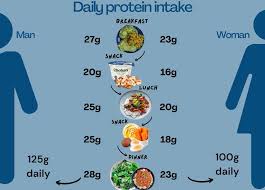
According to the U.S. Food and Drug Administration (FDA), the average adult needs about 50 grams of protein per day. Still, this figure varies depending on your age, gender, activity level, and health status.
This guide explores how much protein you may need and how factors like fitness, weight management, and lifestyle influence your intake.
What Is Protein and Why Does It Matter?
Protein serves as one of the fundamental building blocks of the human body. It is crucial for the development and repair of muscles, tendons, skin, organs, enzymes, hormones, neurotransmitters, and other vital molecules.
Proteins are made up of smaller components called amino acids, which are linked together in chains. While your body can produce some amino acids on its own, others — known as essential amino acids — must be obtained from your diet.
Protein sources vary in their amino acid profiles. Animal-based foods like lean meats and dairy often provide all essential amino acids, making them “complete” proteins. Plant-based diets can be lower in some essential amino acids, but with a well-planned approach, you can still meet your needs.
Vegans can reach their protein goals with the help of complete protein powders, legumes, grains, nuts, and soy products.
Protein and Weight Management
Protein can be especially useful for those aiming to lose weight. Weight loss requires consuming fewer calories than you burn, and protein helps on both fronts — it can increase calorie expenditure (metabolism) and reduce hunger (calorie intake).
A 2020 review and meta-analysis found that high-protein diets may aid long-term weight loss, lower the chances of regaining weight, and help prevent obesity and related conditions.
Muscle Growth and Strength Gains
Muscle tissue is constantly being broken down and rebuilt. To grow muscle, your body must create more protein than it loses — a process known as positive protein balance.
This is why those who train for muscle growth often increase their protein intake. A 2018 meta-analysis revealed that protein supplementation helped improve both muscle size and strength when paired with resistance training.
The study suggested that about 1.6 grams of protein per kilogram of body weight per day is sufficient for muscle building in most healthy adults.
Protein During Pregnancy
Pregnant individuals require more protein to support fetal development and maternal tissue growth. Protein also benefits breastfeeding mothers by aiding milk production and recovery.
According to the USDA’s Dietary Guidelines for Americans, pregnant individuals need around 70 grams of protein per day, or roughly 10–35% of total daily calories.
Good protein sources during pregnancy include lean meats, fish (especially those low in mercury like salmon and sardines), dairy, and legumes. Avoid fish high in mercury such as shark, swordfish, tilefish, and king mackerel.
Other Situations That Raise Protein Requirements
Active individuals need more protein than those with sedentary lifestyles — whether they work physically demanding jobs or engage in endurance sports.
Older adults also have elevated protein needs to maintain muscle mass and bone density, typically around 1 to 1.2 grams per kilogram of body weight. Higher intake can help reduce the risk of osteoporosis and age-related muscle loss (sarcopenia).
Are There Any Risks to Eating More Protein?
Some studies have examined whether high-protein diets may affect kidney function. However, no strong evidence suggests that high protein intake causes kidney issues in healthy individuals.
That said, people with existing kidney disease should consult a healthcare provider. Those not on dialysis may need to reduce protein intake, while individuals on dialysis may need more protein.
In general, for healthy people, a higher protein diet has no proven negative effects and may support better overall health.
How to Include More Protein in Your Diet
Many foods naturally contain high amounts of protein, such as:
-
Tofu, tempeh, and plant-based alternatives
-
Lean cuts of meat
-
Fish and seafood
-
Eggs
-
Milk and dairy products like Greek yogurt
-
Legumes (beans, lentils, peas)
-
Quinoa and whole grains
-
Nuts and seeds
Most people don’t need to count protein grams daily. Simply including a quality source of protein with every meal, along with a varied and balanced diet, is typically enough.
Understanding “Grams of Protein”
It’s common to misunderstand what “grams of protein” actually means. It refers to the weight of the actual macronutrient, not the weight of the food source.
For example:
-
An 8-ounce steak (226 grams) contains about 61 grams of protein
-
A large egg (46 grams total weight) delivers about 6 grams of protein
So, not all protein-rich foods are 100% protein by weight.
How Much Protein Does the Average Person Need?
For someone at a healthy weight who doesn’t engage in regular strength training, 10–35% of daily calories should come from protein.
For adults consuming a 2,000-calorie diet, this translates to approximately 50 to 175 grams of protein per day, depending on various factors like age, sex, and activity levels.
Given the lack of evidence for harm and the potential health benefits, most people are better off aiming for the higher end of this range.
Key Takeaways
Protein is a vital nutrient that supports muscle growth, bone health, metabolism, and more. The average adult needs about 50 grams daily, but individual requirements vary depending on lifestyle and health factors.
Ensuring you eat a variety of protein-rich foods with each meal can help you meet your daily needs — and support long-term health goals.